What Happens During a General Dentistry Checkup?
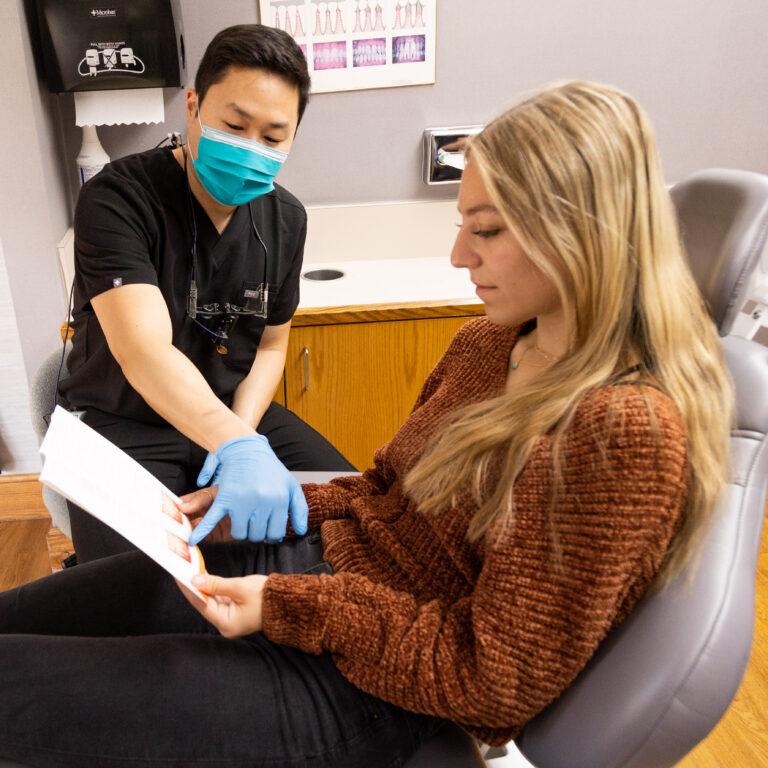
For many patients, a general dentistry checkup feels routine, almost forgettable. You arrive, sit back, answer a few questions, hear numbers called out, get your teeth cleaned, and head back to work. Yet from a clinical standpoint, that ordinary visit does a remarkable amount of work. It is one of the most efficient ways to catch small problems before they become expensive, painful, or difficult to treat.
A checkup is not just about finding cavities. It is also about tracking gum health, watching changes in old fillings and crowns, screening for oral cancer, reviewing your bite, and noticing patterns that suggest grinding, dry mouth, reflux, or other health concerns. In a well-run practice, the appointment is part preventive care, part early diagnosis, and part long-term planning.
If you have ever wondered what your dental team is actually looking for during those thirty to sixty minutes, it helps to break the visit down. While every office has its own rhythm, and every patient brings different needs, most checkups in General Dentistry follow the same core sequence.
The visit begins before anyone looks at your teeth
The most useful information often comes before the exam starts. A good dental checkup usually opens with a review of your health history, medications, symptoms, and any recent changes. This step can seem administrative, but it affects almost every decision that follows.
A new blood pressure medication may cause dry mouth, which raises cavity risk. A pregnancy changes gum response and can make tissues bleed more easily. Diabetes, especially when it is poorly controlled, can complicate gum health and healing. Even something as common as frequent heartburn matters, because acid exposure can gradually wear down enamel. Dentists and hygienists are trained to connect these dots.
This is also the time when patients mention concerns they have been putting off. Maybe one molar feels sensitive when you drink cold water. Maybe you notice bleeding when you floss around a lower front tooth. Maybe you wake up with jaw soreness but assumed it was stress. These small details matter. In practice, they often guide the exam more than people realize.
At a General Dentistry Aurora practice, for example, local patients may come in with concerns shaped by real life rather than textbook symptoms. Busy schedules lead to delayed appointments. Winter dryness can aggravate mouth dryness in some people. Coffee habits, sports drinks, night grinding, and cosmetic goals all become part of the bigger picture. A careful checkup accounts for those habits, not just the visible state of the teeth.
X-rays are taken when they are needed, not as a formality
Not every checkup includes a full set of new x-rays, but many periodic exams involve some imaging. Bitewing x-rays are the most common for routine care because they help reveal cavities between the teeth, where the naked eye often cannot see clearly. They also show the level of supporting bone around the teeth, which helps monitor gum disease over time.
If you have a specific issue, such as pain in one area, a periapical x-ray might be taken to see the full root and the surrounding bone. Panoramic images are sometimes used to review wisdom teeth, jaw structures, or broader concerns. The frequency depends on your history, risk level, age, and what the clinical exam suggests.
This matters because some problems stay hidden for quite a while. A cavity between two back teeth can grow silently until the tooth needs a large filling or even a crown. Bone loss from periodontal disease may not hurt, yet it can progress steadily. Small infections at the tip of a root can be missed without imaging, especially if the tooth had trauma or old dental work.
Patients occasionally worry that x-rays mean something is wrong. Most of the time, they are simply part of thorough preventive care. Dentistry works best when the team can compare current images with previous ones and spot subtle changes before they turn into major treatment.
The hygienist’s role is more clinical than many people realize
Many patients think of the cleaning as the main event, but for the hygienist, it is also a diagnostic appointment. Before polishing starts, the hygienist is usually assessing the health of the gums and looking for areas of plaque buildup, tartar accumulation, inflammation, recession, and bleeding.
One of the most important parts of this process is periodontal charting. Using a small measuring instrument called a probe, the hygienist checks the depth of the gum pockets around each tooth. In a healthy mouth, those spaces are typically shallow. Deeper pockets can signal gum disease, especially when they are paired with bleeding, bone loss, or tissue changes.
This part of the appointment is not always comfortable, particularly if gums are inflamed. Still, it provides valuable information. A patient may believe their mouth is healthy because nothing hurts, but bleeding on probing and increasing pocket depths tell a different story. Gum disease is notorious for being quiet in the early stages. By the time teeth feel loose or gums become visibly severe, the disease is already advanced.
The hygienist also pays attention to the pattern of buildup. Heavy tartar behind the lower front teeth often reflects salivary gland location and difficulty cleaning in a crowded area. Buildup around the upper molars may suggest missed brushing angles. Generalized plaque with swollen gums can point to inconsistent home care, but it can also reflect recent illness, hormonal changes, or a long gap between visits. Good clinicians avoid snap judgments and look at the full context.
The cleaning removes what brushing cannot
Once the gum assessment is complete, the cleaning itself focuses on removing plaque and tartar. Plaque is the soft bacterial film that forms on teeth every day. Tartar, also called calculus, is plaque that has hardened and attached to the tooth surface. Once tartar forms, you cannot brush it off at home. It has to be professionally removed.
The hygienist uses hand instruments, ultrasonic scalers, or both to clean above and slightly below the gumline. If your gums are healthy and your buildup is light, this may be a straightforward preventive cleaning. If there is significant inflammation, deep pocketing, or substantial deposits below the gums, a more involved periodontal treatment may be recommended instead. This is one of the areas where a checkup can change course based on findings.
Patients often ask why they need a cleaning if they brush twice a day. The simple answer is that brushing is essential, but it is not perfect. Even diligent brushers miss areas, especially between teeth and around gum margins. Tartar also tends to collect in specific spots that are difficult to reach consistently. Professional cleaning resets those areas and lowers the bacterial load in the mouth.
After scaling, many hygienists polish the teeth to remove surface stain and smooth the enamel. That polished feeling patients notice on the way out is more than cosmetic. A smoother surface makes it harder for plaque to cling as easily. Some visits also include flossing and a fluoride treatment, depending on age, cavity risk, and office protocol.
The dentist’s exam is a head-to-neck evaluation, not just a look at the teeth
When the dentist comes in for the exam, the checkup broadens. Yes, they evaluate your teeth for decay, General Dentistry Aurora cracked fillings, worn enamel, and bite issues, but a complete exam also includes the surrounding tissues and structures.
A dentist may check your lips, cheeks, tongue, floor of the mouth, palate, throat area, and jaw joints. They feel for abnormalities, look for lesions, and note anything unusual in the soft tissues. Oral cancer screening is a standard and important part of General Dentistry. Most of the time, findings are harmless, such as a friction line from cheek biting or a small area irritated by a sharp tooth edge. Still, the purpose is to catch suspicious changes early, when follow-up is simpler and outcomes are better.
The teeth themselves are examined carefully, often with a mirror, explorer, x-rays, and previous records for comparison. The dentist is not only looking for obvious cavities. They are evaluating the margins of old fillings, checking crowns for leakage, assessing contact points between teeth, looking for cracks, and noticing changes in wear.
A patient in their twenties may show early enamel erosion from acidic drinks. A patient in their forties may have a filling that has reached the end of its life after many years of service. A patient in their sixties may be dealing with recession that exposes root surfaces, which are softer and more vulnerable to decay. These are not dramatic findings, but they are exactly the kind of issues a checkup is designed to catch.
Your bite and jaw can reveal habits you may not notice
One of the more overlooked parts of a dental exam is the evaluation of function. Dentists pay attention to how the teeth come together, how the jaw moves, and whether there are signs of clenching or grinding.
Many people grind at night without knowing it. They may mention morning headaches, sore jaw muscles, or a partner who hears tooth grinding in bed. Others show classic wear patterns on the chewing surfaces, tiny fractures in enamel, or recession that reflects heavy force over time. Left alone, bruxism can shorten teeth, chip restorations, strain jaw joints, and increase tooth sensitivity.
Jaw clicking does not always require treatment, but it should be noted. Limited opening, pain when chewing, or a history of locking can change the conversation. A checkup is often where these patterns first come to light, especially when patients assume the symptoms are unrelated to dentistry.
Sometimes what appears to be a tooth problem is really a functional issue. A patient may point to one sore upper molar, only for the exam to show that the tooth is intact but bearing excessive pressure from clenching. The solution may involve a night guard, bite adjustment in selected cases, or simply awareness and monitoring. Judgment matters here, because not every click, facet, or sore muscle needs intervention. The goal is to identify problems early and act when the benefits are clear.
Cavities are only part of the story
When patients hear they have "no cavities," they often assume everything is perfect. That is good news, of course, but it does not automatically mean the mouth is problem-free. Checkups often uncover issues that fall outside the usual cavity-or-no-cavity framing.
A few common examples include:
- Gum recession that makes teeth sensitive and harder to clean
- Worn enamel from acidic foods, drinks, or reflux
- Failing fillings that are still symptom-free
- Cracks in back teeth that have not yet reached the nerve
- Dry mouth that increases future cavity risk even if current decay is low
Each of these can stay quiet for a long time. That is why a strong general dentistry exam emphasizes trends and risk, not just today’s visible damage. A patient with no current decay but severe dry mouth may need more preventive support than someone with one small cavity and otherwise excellent oral conditions.
Fluoride, sealants, and prevention are tailored, not automatic
Preventive recommendations vary widely from patient to patient. A child with newly erupted molars General Dentistry Aurora may benefit from sealants because the deep grooves in those teeth trap bacteria easily. An adult with frequent root sensitivity and several past cavities may be a good candidate for professional fluoride varnish at recall visits. Someone with low cavity risk and meticulous home care may need very little beyond standard maintenance.
This is where experienced General Dentistry becomes personalized. The best recommendations are based on history, not salesmanship. If a patient has gone ten years without a cavity, has healthy gums, and demonstrates consistent home care, the checkup conversation is often brief and affirming. If another patient has several new lesions, visible plaque around the gumline, and signs of dry mouth from medication use, the discussion becomes more preventive and more specific.
Good dentistry is not one-size-fits-all. It involves calibrating the plan to the person in the chair.
If treatment is needed, the checkup often turns into a planning session
A checkup does not always end with "see you in six months." Sometimes the findings lead to a treatment plan, and this part of the visit can be just as important as the exam itself.
If a cavity is small and confined to enamel or early dentin, the recommendation may be a straightforward filling. If a tooth has a large failing filling with a crack across a cusp, a crown may be discussed instead because a simple filling would not offer enough support. If gum disease is present, the office may recommend periodontal therapy rather than another routine cleaning. If a suspicious lesion is found, the next step could be re-evaluation, biopsy referral, or monitoring with photographs, depending on the case.
Patients benefit when this conversation is clear, practical, and specific. It helps to understand not only what is recommended, but why now, what happens if you wait, and whether there are reasonable alternatives. There are often trade-offs. A small crack may be monitored if symptoms are absent, but there is some risk it worsens unexpectedly. A worn old filling may function for another year, or it may start leaking and decay underneath. Dentistry is full of these judgment calls, and a good checkup makes them easier to navigate.
What the appointment feels like for different kinds of patients
No two checkups are exactly alike because mouths are different, but also because life stages are different.
For children, the emphasis is often on habit formation, eruption patterns, cavity prevention, and making the dental environment feel safe. The appointment may be shorter and more educational. The tone matters as much as the tools.
For adults in maintenance mode, the visit is usually efficient. The team monitors existing dental work, checks for wear, and reinforces the few home-care changes that will actually make a difference. Often the most useful advice is not dramatic. It may be as simple as using interdental brushes around a bridge, switching to a softer brush, or applying fluoride toothpaste at night without rinsing right away.
For older adults, checkups can become more nuanced. Root decay, gum recession, dry mouth from multiple medications, dexterity changes, and the condition of older crowns or partial dentures often take center stage. The goals remain the same, but the strategy becomes more individualized.
For anxious patients, the emotional side of the experience cannot be ignored. A competent office will adjust pacing, explain what is happening, and avoid surprises. Many people who fear dentistry are not afraid of the exam itself, but of pain, loss of control, or bad news. A well-conducted checkup addresses those concerns directly.
How often should you go?
The six-month interval is common for a reason, but it is not a law of nature. Some patients do well on a six-month recall, while others benefit from three- or four-month periodontal maintenance. A low-risk patient with excellent home care and a very stable history may, in some cases, be seen less frequently for certain types of exams, though many dentists still prefer regular six-month monitoring because change can occur quietly.
Frequency depends on several factors:
- Your history of cavities and gum disease
- The amount of tartar and plaque that accumulates between visits
- Whether you have dry mouth, grinding, or extensive dental work
- Your age, medical conditions, and medications
- How stable your oral health has been over time
This is where the term General Dentistry really earns its weight. The checkup schedule is not only about cleaning teeth, it is about managing risk over the long term.
What you can do to make your next checkup more useful
A dental checkup works best when patients arrive ready to share details that seem minor but are actually clinically important. Mention sensitivity, bleeding, changes in medication, grinding, jaw noises, pregnancy, new diagnoses, and any spots in the mouth that have not healed. Bring your night guard if you use one. If you have been avoiding floss because one area always bleeds, say so. Those details often point directly to the issue.
It also helps to have realistic expectations. A checkup is preventive care, not a pass-fail test. If the dentist finds something, it does not mean you have done a poor job. Teeth age, fillings wear out, medications change the oral environment, and even disciplined home care has limits. The goal is not perfection. It is early detection, steady maintenance, and sensible treatment when necessary.
That is the real value of routine visits, whether you are seeing a neighborhood provider for General Dentistry Aurora care or a long-standing family dentist elsewhere. Most serious dental problems do not appear overnight. They build slowly, quietly, and often without pain. A general dentistry checkup is designed to find those changes while your options are still simple.
When patients understand what is happening during the appointment, the visit feels less mysterious and more purposeful. Beneath the mirror, explorer, x-rays, and polishing paste is a careful system: assess risk, detect change, remove disease-causing buildup, protect what is healthy, and plan ahead. That is what happens during a general dentistry checkup, and it is why such an ordinary appointment remains one of the smartest investments in long-term oral health.
Aspenwood Dental Associates and Colorado Dental Implant Center
Address: 2900 S Peoria St Ste C, Aurora, CO 80014
Phone number: +13037314037
FAQ About General Dentistry Aurora
What is meant by general dentistry?
General dentistry refers to the primary, foundational tier of oral healthcare, focused on the prevention, diagnosis, and treatment of conditions affecting the teeth, gums, and jaw. General dentists serve as a patient's main, long-term dental care provider—much like a primary care physician.
What is general dentistry and orthodontics?
General dentistry and orthodontics are two specialized branches of dental care. General dentistry serves as your primary care for overall oral health, focusing on routine cleanings, fillings, and disease prevention. Orthodontics is a specialized field focused entirely on diagnosing and correcting misaligned teeth and jaw structures using braces or clear aligners.
What are type 3 dental services?
Type 3 dental services typically include major restorative treatments that repair or replace damaged or missing teeth. These services are more complex and costly than preventive or basic dental care. Common examples of type 3 dental services include: Dental crowns.